Air Freight vs. Ocean Freight: Which Shipping Method Should You Choose?
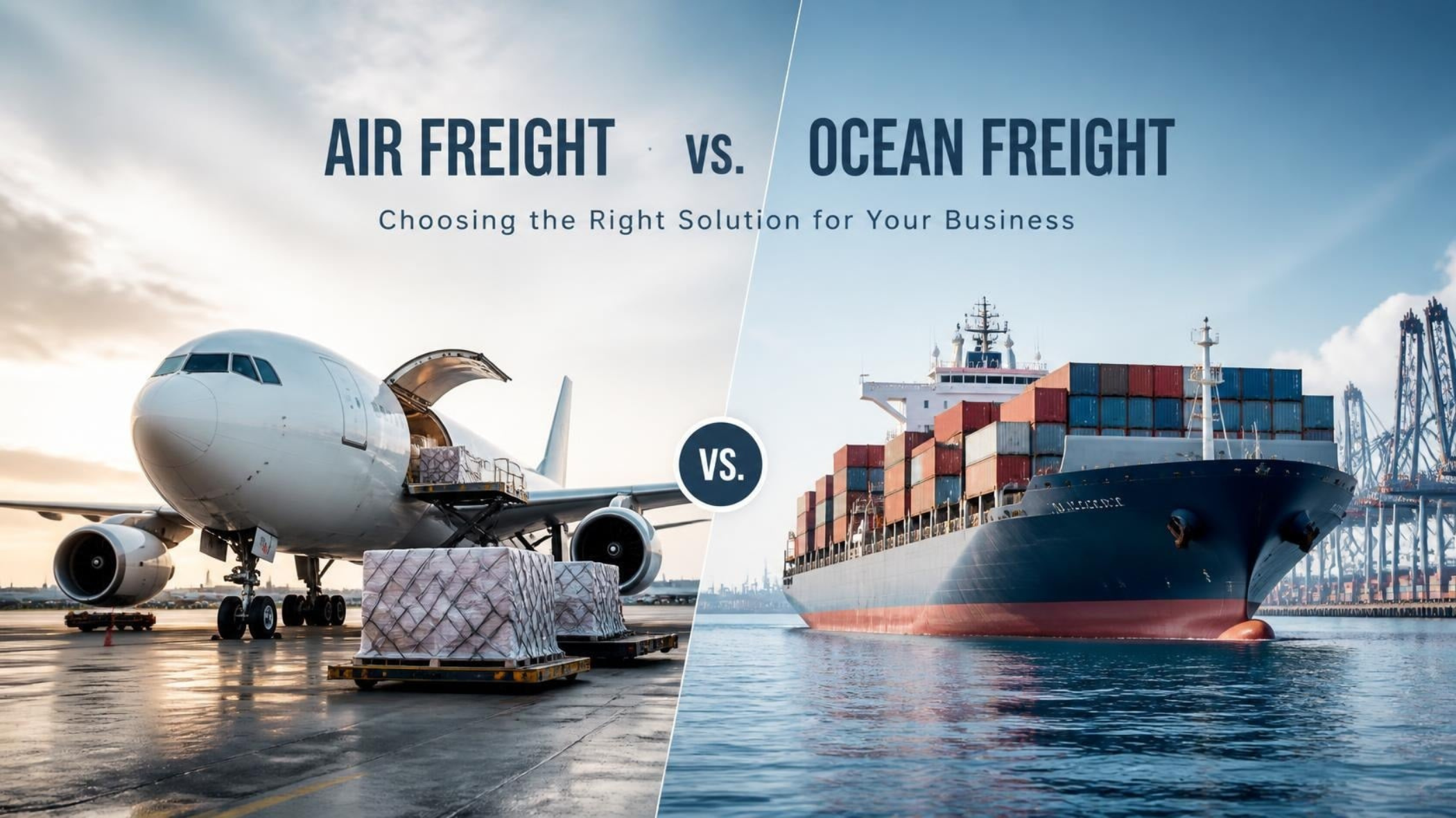
When arranging international transportation, one of the most common questions is air freight vs. ocean freight. Both methods can move cargo internationally, but they differ significantly in transit time, capacity, cost, and cargo restrictions. Choosing the correct option depends on the type of shipment, dimensions, weight, cargo value, budget, destination, and required delivery date.
Advantages of Air Freight
The biggest advantage of air freight is speed. Air transportation is often used for urgent shipments, valuable goods, automotive parts, electronics, luxury products, medical equipment, prototypes, and other time-sensitive cargo. Air cargo usually spends less time in transportation than ocean freight, although pickup, customs clearance, airport handling, and final delivery still need to be included in the overall schedule.
The main disadvantage is cost. Large or heavy shipments can become expensive because air freight rates are strongly influenced by both actual and volumetric weight
Advantages of Ocean Freight
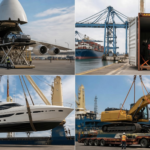
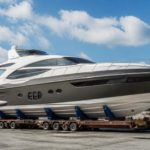
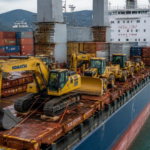
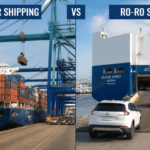
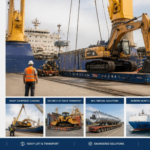
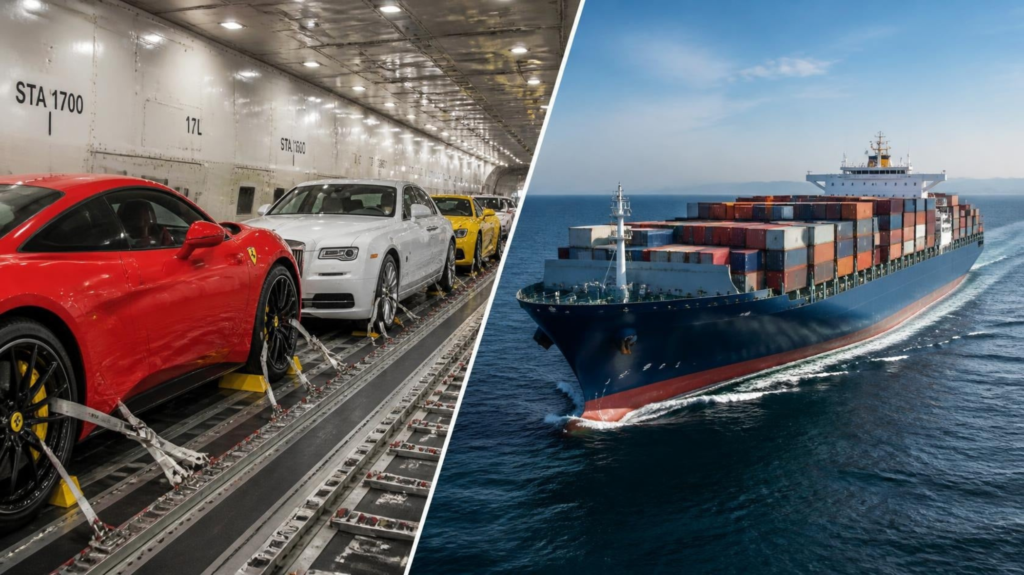
Ocean transportation offers significantly greater capacity. Containers, vehicles, machinery, yachts, heavy equipment, and oversized industrial cargo can often be moved by sea more economically than by air. Available methods can include standard containers, Ro-Ro vessels, flat racks, open-top containers, and breakbulk transportation. For shipments without an urgent deadline, ocean freight is usually the more practical choice.
Consider Dimensions and Weight
Cargo size can quickly determine which transportation method is realistic. Aircraft have strict dimensional and weight restrictions. Ocean vessels can accommodate much larger and heavier cargo. However, vessel schedules and transit times are generally longer.
Compare the Complete Transportation Process
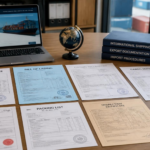
When comparing air freight vs. ocean freight, consider more than the advertised transit time. Pickup, terminal handling, customs procedures, documentation, port or airport operations, and final delivery all affect the total shipping schedule.
If speed is the main priority, air freight may be appropriate. If capacity and transportation cost are more important, ocean freight will often provide better value. Provide accurate dimensions, weight, origin, destination, commodity details, and delivery requirements before requesting a quote so your freight forwarder can compare both options properly.