Customs Documentation for International Shipments
Correct customs documentation for shipments is essential for international transportation. Even when cargo is properly packed and transportation has been booked correctly, incomplete or inaccurate paperwork can cause customs delays, inspections, storage charges, and additional expenses.
Documentation requirements depend on the commodity, origin country, destination country, and type of transaction. However, several documents are commonly required for international shipments.
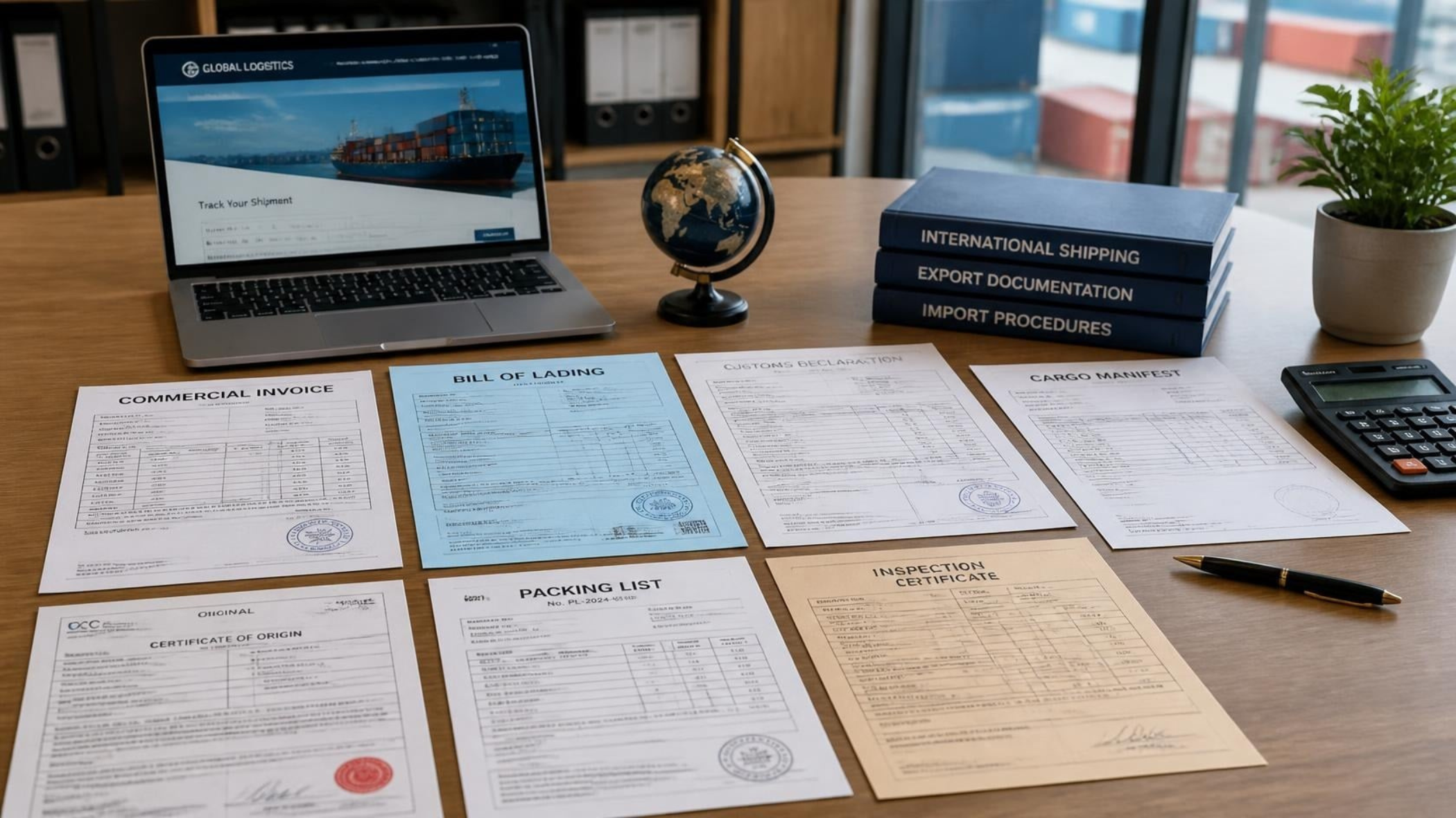
Commercial Invoice
The commercial invoice is one of the most important customs documents.
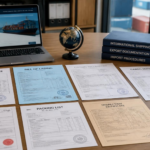
It generally identifies the seller, buyer, commodity, quantity, value, country of origin, and other transaction information. The cargo description should be specific and accurate. Information on the commercial invoice should also be consistent with other transportation documents.
Packing List
A packing list provides information about how the cargo is packaged. It may include the number of pieces, package type, dimensions, gross weight, net weight, marks, numbers, and contents.
The packing list helps carriers, terminals, customs representatives, and inspectors understand the physical shipment.
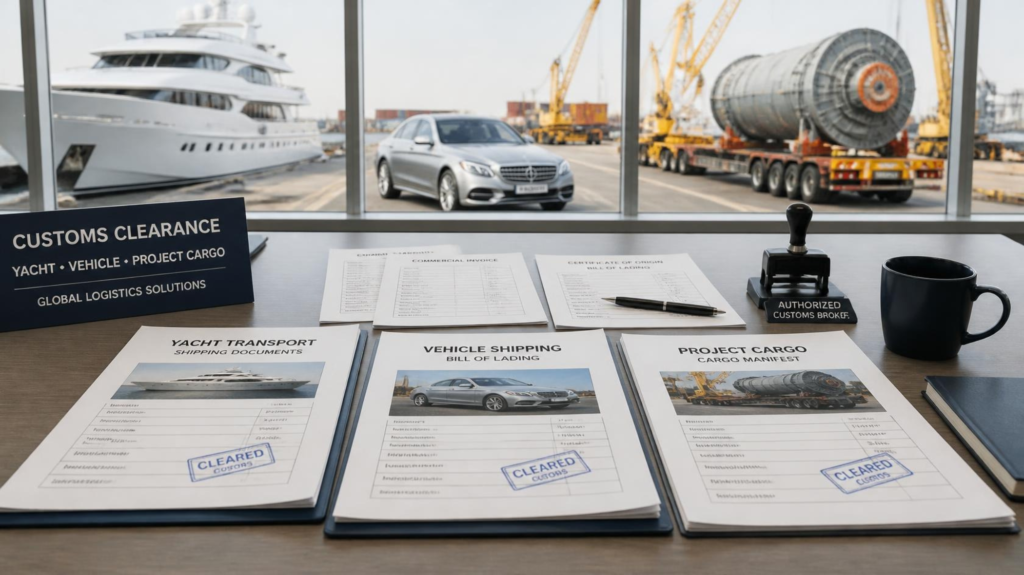
Bill of Lading or Air Waybill
Ocean shipments normally use a bill of lading, while air shipments use an air waybill.
These documents contain important information regarding the shipper, consignee, transportation provider, cargo, origin, destination, and routing. Review all information carefully before the documents are finalized.
Vehicle, Yacht, and Equipment Documents
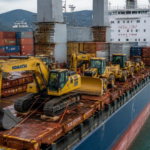
Specialized cargo can require additional documentation. Vehicles may require titles, bills of sale, VIN information, or registration documents. Machinery may require serial numbers, invoices, certificates, or technical descriptions. Yacht shipments may also require ownership and registration documents. Requirements vary by country.
Prepare Documents Before Shipping
Do not wait until the cargo arrives at the port to begin collecting customs paperwork. Send documents to the appropriate logistics and customs professionals early enough for them to identify missing information.
Customs regulations can change, and certain commodities require licenses, permits, certificates, or inspections.
Careful preparation of customs documentation for shipments helps reduce clearance delays and supports a smoother transportation process from origin to destination.