Common Mistakes in Cargo Shipping and How to Avoid Them
International shipping involves multiple stages, including cargo preparation, pickup, documentation, customs procedures, terminal handling, transportation, and delivery. Many expensive problems begin with simple mistakes that could have been prevented during the planning stage.
Understanding the common mistakes in cargo shipping helps importers and exporters reduce delays and avoid unnecessary expenses.
Providing Incorrect Dimensions and Weight
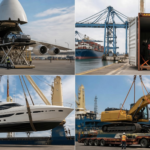
One of the most common mistakes is providing inaccurate cargo specifications. Freight rates and equipment selection depend on dimensions and weight. This is especially important for vehicles, machinery, yachts, oversized cargo, and industrial equipment.
Measurements should include pallets, crates, attachments, packaging, or other components that increase the overall shipping dimensions.
Waiting Until the Last Minute
International transportation should be planned in advance.
Ocean vessels and aircraft have limited capacity, and some routes do not operate every day. Specialized cargo may also require permits, cranes, escorts, or special loading equipment.
Booking too late can limit available shipping options and increase costs.
Incomplete or Incorrect Documentation
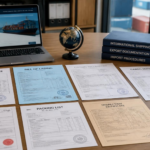
Missing information on invoices, packing lists, bills of lading, ownership documents, or customs forms can delay a shipment. Information such as names, addresses, values, cargo descriptions, serial numbers, and identification numbers should be reviewed carefully before documents are submitted.
Choosing the Cheapest Option Automatically
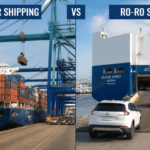
The lowest freight rate is not always the lowest total cost. A cheaper route may involve longer transit times, more handling, additional terminal charges, or complicated destination procedures. Compare the complete transportation plan instead of focusing only on the basic freight rate.
Poor Cargo Preparation
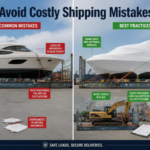
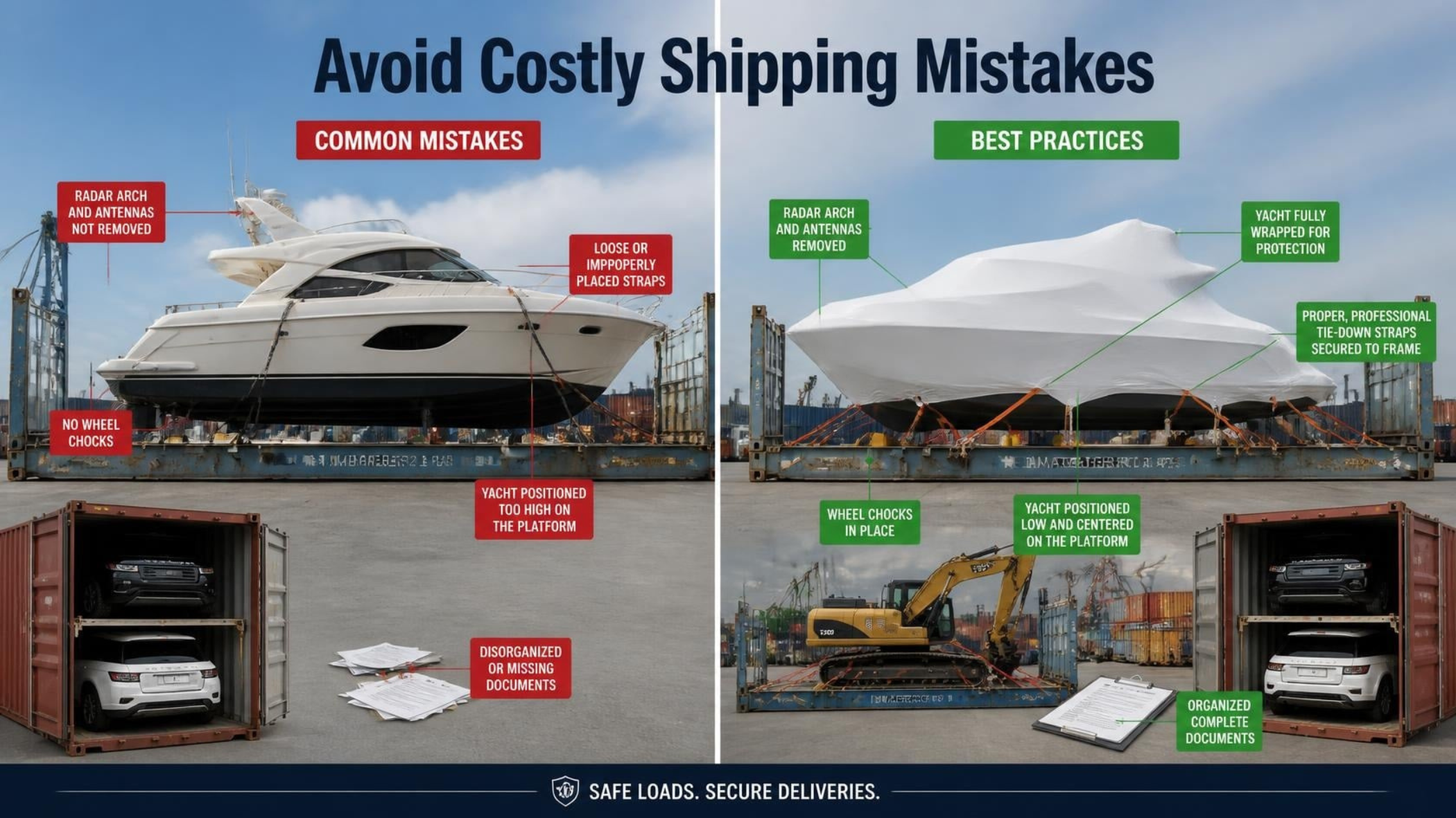
Loose components, inadequate packaging, unsecured equipment, and fluid leaks can create transportation problems. Cargo should be prepared for movement, vibration, loading, unloading, and normal transportation conditions.
Forgetting About Destination Requirements
Transportation does not end when cargo reaches the port. Customs clearance, terminal charges, storage, permits, unloading, and inland delivery may still be required.
Most common mistakes in cargo shipping can be avoided through early planning. Provide accurate information, prepare documents in advance, understand destination requirements, and work with experienced transportation professionals.