Project Cargo Guide for Oversized and Complex Shipments
International project cargo requires detailed planning and coordination. Unlike standard freight, project shipments often involve oversized, heavy, high-value, or technically complex cargo. Therefore, logistics teams need specialized transportation methods to move this type of freight safely and efficiently. This project cargo guide covers the main factors to consider before moving industrial machinery, construction equipment, energy components, manufacturing systems, and other specialized cargo.
Begin With Accurate Cargo Information
First, prepare a complete cargo list. Provide the length, width, height, weight, quantity, and description of every piece. In addition, provide photographs, technical drawings, lifting points, and center-of-gravity information when available. Accurate information helps the transportation team select suitable equipment and plan each stage of the shipment.
Plan the Transportation Route
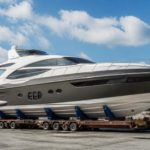
Oversized cargo may encounter road, bridge, tunnel, terminal, and port restrictions. Therefore, the logistics team should evaluate the entire route before transportation begins. The route plan should account for height clearances, road conditions, weight limitations, permits, escorts, turning radius, crane access, and delivery-site conditions. In particular, careful route planning becomes essential when inland transportation involves extremely large equipment.
Plan the Transportation Route
Oversized cargo may encounter road, bridge, tunnel, terminal, and port restrictions. Therefore, the logistics team should evaluate the entire route before transportation begins. The route plan should account for height clearances, road conditions, weight limitations, permits, escorts, turning radius, crane access, and delivery-site conditions. In particular, careful route planning becomes essential when inland transportation involves extremely large equipment.
Select the Right Transportation Equipment
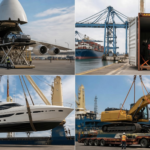
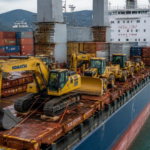
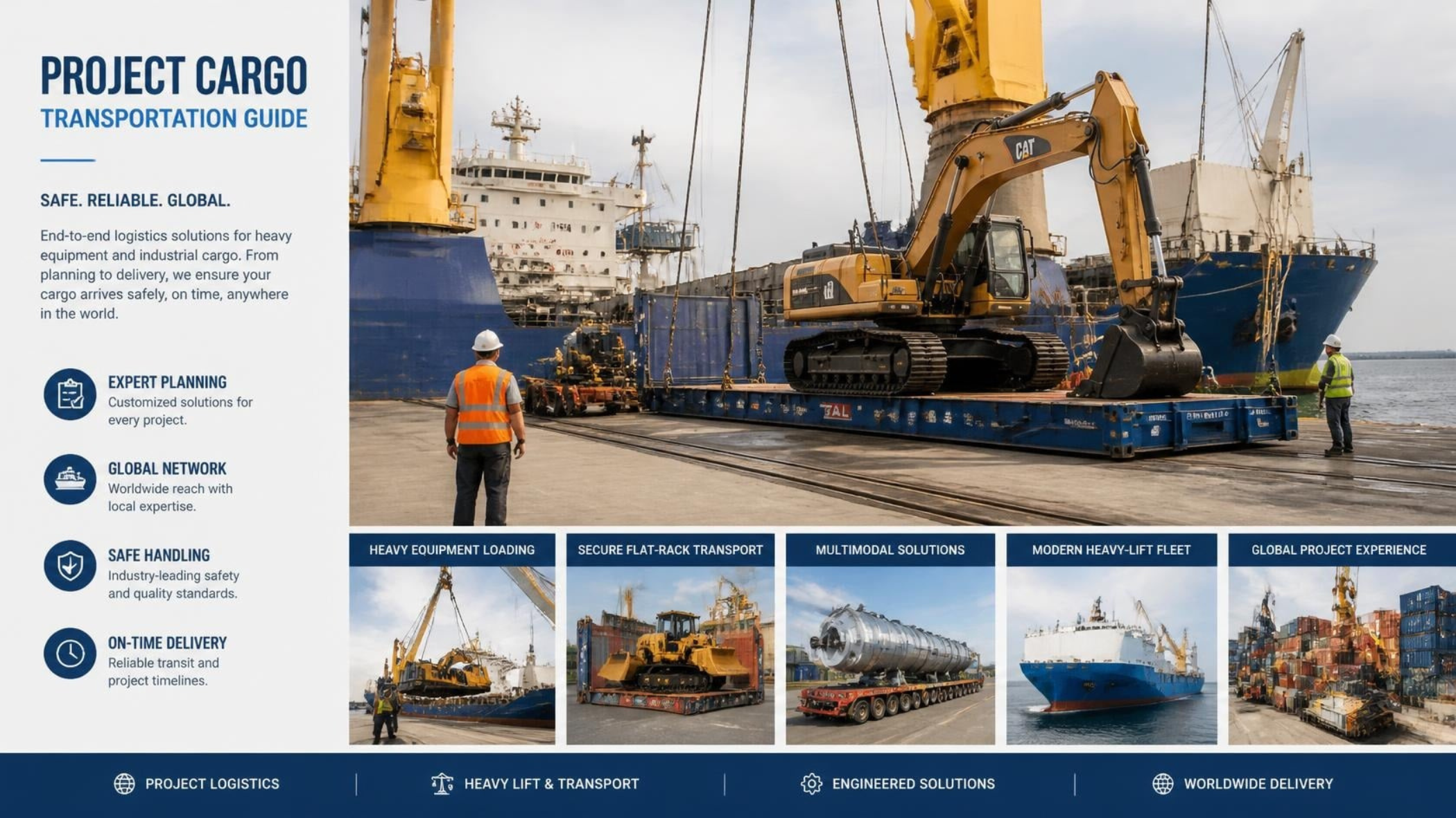
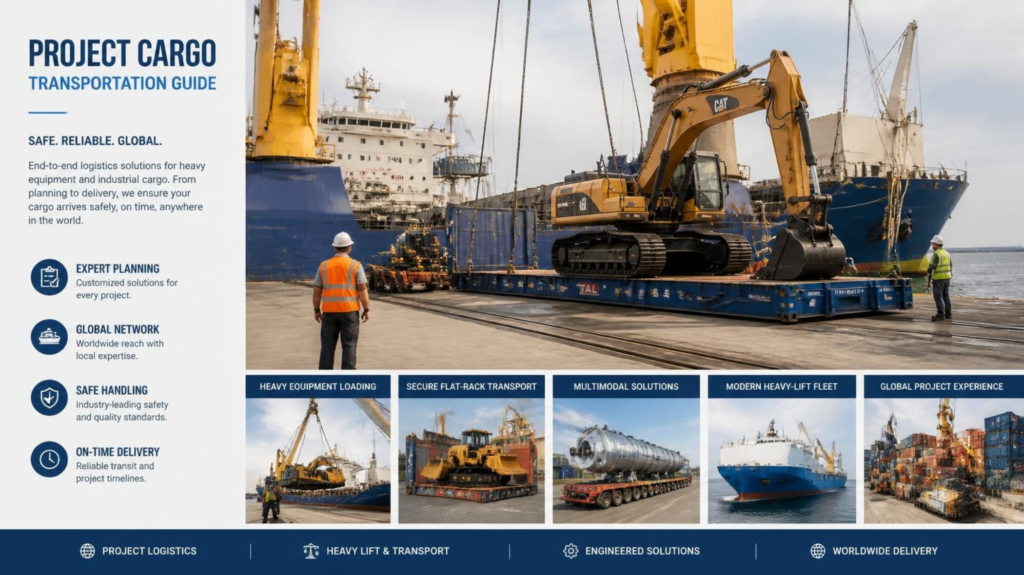
Project cargo may require heavy-haul trailers, flat racks, open-top containers, Ro-Ro vessels, breakbulk vessels, barges, or cranes. The logistics team should select equipment according to the cargo dimensions, weight, handling requirements, and available facilities at both origin and destination. For example, oversized machinery may require specialized trailers or crane equipment.
Plan Loading and Cargo Securing
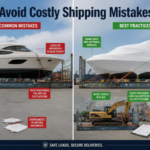
Large equipment requires careful positioning and securing. First, the loading team should determine the correct lifting and placement method. Next, the team should block, brace, and secure the cargo to prevent movement during transportation. Some shipments also require professional lifting plans or engineering calculations. Therefore, freight forwarders, carriers, terminal operators, crane operators, and shippers should coordinate the loading process in advance.
Prepare Permits and Documentation
Project cargo can require export paperwork, customs documents, transportation permits, technical certificates, oversized-load permits, and other specialized documentation. Requirements vary by cargo type, route, and destination. Therefore, identify all necessary documents and permits early to reduce the risk of delays.
Build a Realistic Schedule
Weather, permits, equipment availability, vessel schedules, customs procedures, and port operations can affect project cargo transportation. As a result, the logistics team should build enough flexibility into the transportation schedule. Finally, a successful project shipment depends on careful preparation rather than speed alone. Provide complete cargo information early so the logistics team can evaluate the route, select suitable equipment, coordinate loading, prepare permits, and organize final delivery efficiently.